Black Mold in California Homes: What It Actually Is and When to Worry
"Black mold" gets used as a catch-all scare term. Here's what it actually means, which species matter, and when a dark stain is genuinely a health concern.
Almost every mold inquiry we field starts the same way: "I think I have black mold." It's understandable — decades of news coverage have turned "black mold" into shorthand for a worst-case scenario. But the term is more marketing than science, and understanding what it actually refers to changes how you should respond when you find it.
What people usually mean by "black mold"
In most cases, "black mold" refers to Stachybotrys chartarum, a slow-growing, dark greenish-black mold that thrives on cellulose-rich, chronically wet materials — drywall paper facing, water-damaged wood, and wallpaper backing that has been saturated for an extended period, typically longer than 5-7 days without drying. Stachybotrys is genuinely one of the more concerning species we test for because certain strains can produce mycotoxins, but it's far from the only dark-colored mold you'll encounter. Cladosporium, Aspergillus niger, and Alternaria can all appear black or near-black to the naked eye, and none of them require the same level of chronic saturation to establish.
This matters because visual identification alone is unreliable. We've inspected California properties where homeowners were certain they had toxic black mold and it turned out to be common Cladosporium on a bathroom ceiling — annoying and worth removing, but not the health emergency they feared. We've also seen the reverse: pale, easily overlooked colonies in a crawl space that lab testing confirmed as Stachybotrys, simply because the color darkens as the colony matures and dries.
Why California properties are susceptible
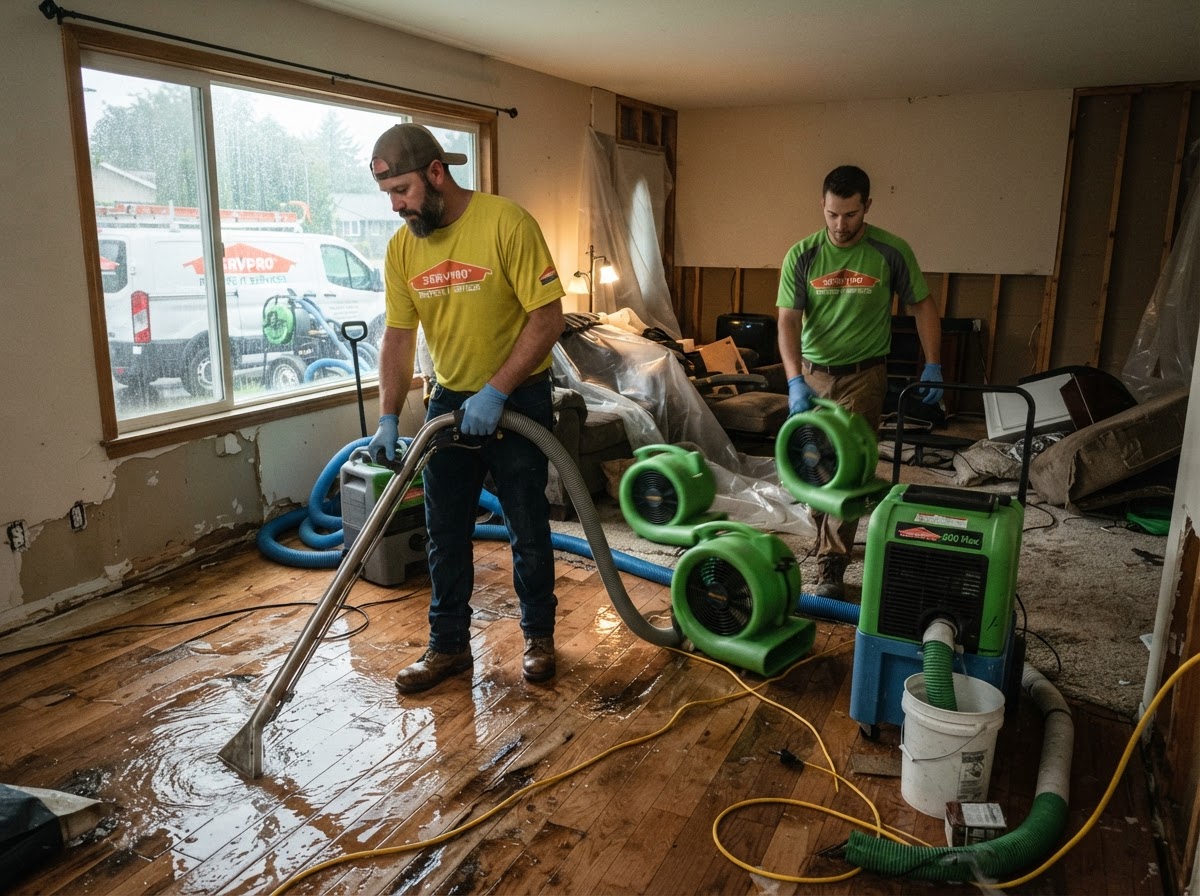
Stachybotrys specifically needs sustained moisture, which is why it shows up disproportionately in a handful of California scenarios: homes with unresolved slab leaks in older construction, crawl spaces in North Coast and Bay Area homes where humidity rarely drops enough to dry building materials between rain events, and properties that suffered water damage from a storm or plumbing failure that wasn't professionally dried within 48 hours.
This is also why insurance-related water losses are one of the most common paths to a black mold discovery. A slow leak behind a dishwasher or under a slab can go undetected for months, and by the time discoloration is visible on drywall or baseboards, the moisture has often been present long enough for Stachybotrys to establish.
When a dark stain is actually urgent
- The affected area is larger than roughly 10 square feet (per EPA guidance, this generally warrants professional remediation rather than DIY cleaning)
- The growth is associated with a known water event — burst pipe, roof leak, flooding — rather than surface condensation
- Occupants report new or worsening respiratory symptoms, especially anyone with asthma, allergies, or a compromised immune system
- The material affected is porous (drywall, insulation, wood subfloor) rather than a hard, non-porous surface like tile or glass
- You can smell a persistent musty odor in a room even where you can't see visible growth
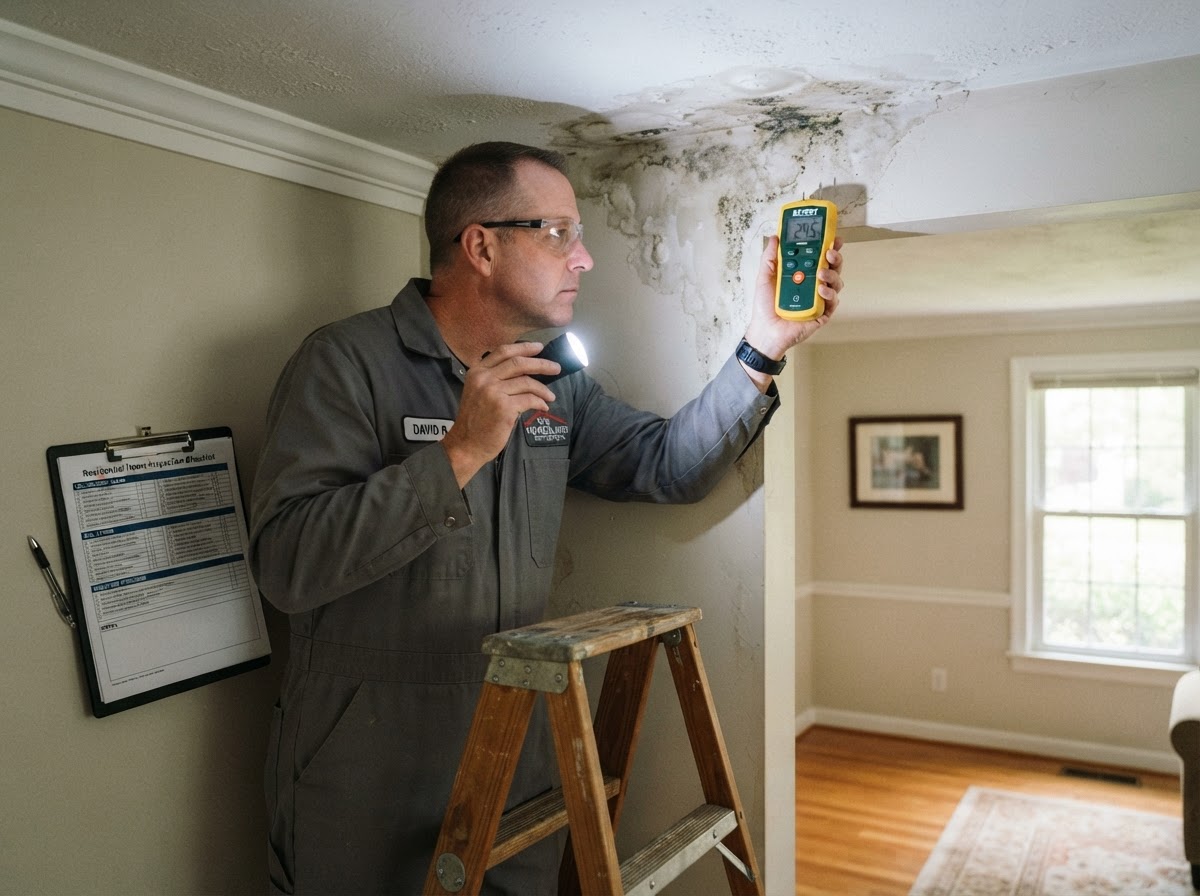
None of these criteria require a lab to diagnose. If any apply, the right move is a professional inspection — not necessarily testing first, since testing is most valuable when the mold isn't visible or when you need documentation for insurance or a real estate transaction.
What professional testing actually tells you
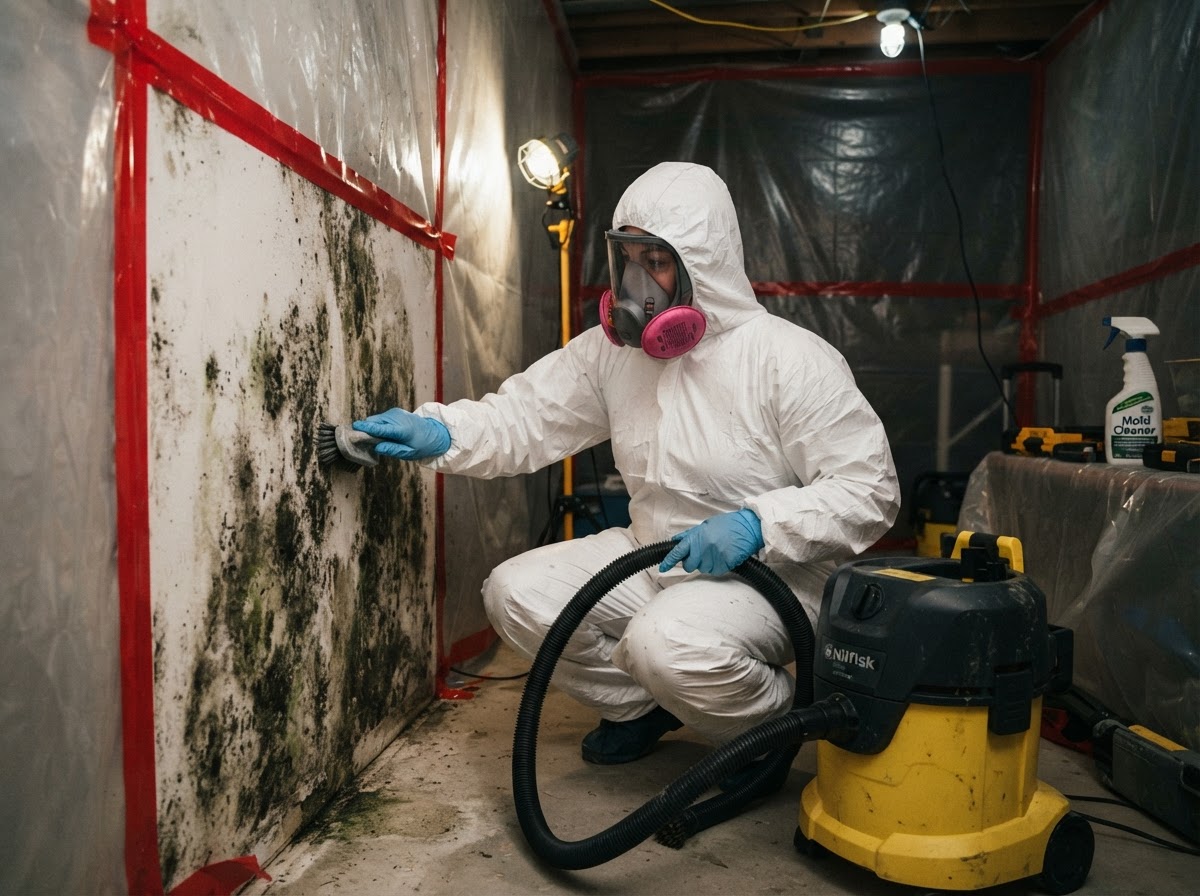
Lab testing (typically air sampling via spore trap, or surface sampling via swab or tape lift) identifies the specific genus and, often, species present, along with spore concentration relative to an outdoor control sample. This is the only reliable way to confirm whether you're dealing with Stachybotrys versus a more common, lower-toxicity mold — and it matters for how aggressively remediation needs to be scoped, what PPE the remediation crew uses, and what containment level is appropriate.
Common Questions About Black Mold
Is all black mold toxic?
No. Many common mold species appear black or dark-colored without being significantly more hazardous than other indoor molds. Stachybotrys chartarum — the species most associated with "toxic black mold" — is a specific genus that requires lab confirmation to identify definitively.
Can I test for black mold myself with a home test kit?
Store-bought petri dish kits can show that mold spores are present (which is true in virtually every indoor environment at some level) but cannot reliably identify species or give you an actionable spore count comparison. Professional sampling sent to an accredited third-party lab is the only reliable method for making remediation or health decisions.
How fast does black mold spread once it starts?
Stachybotrys specifically grows more slowly than many common indoor molds, often taking a week or more of sustained moisture to establish visible colonies, but once established it can continue spreading as long as the moisture source remains unaddressed — which is why fixing the underlying leak is always step one.
Need Help With black mold Right Now?
Our network of certified California mold specialists can inspect, test, and remediate — starting with a free estimate.

Mold Removal Services Near You
Get a Free Mold Inspection Estimate
Certified local specialists serving every California community.