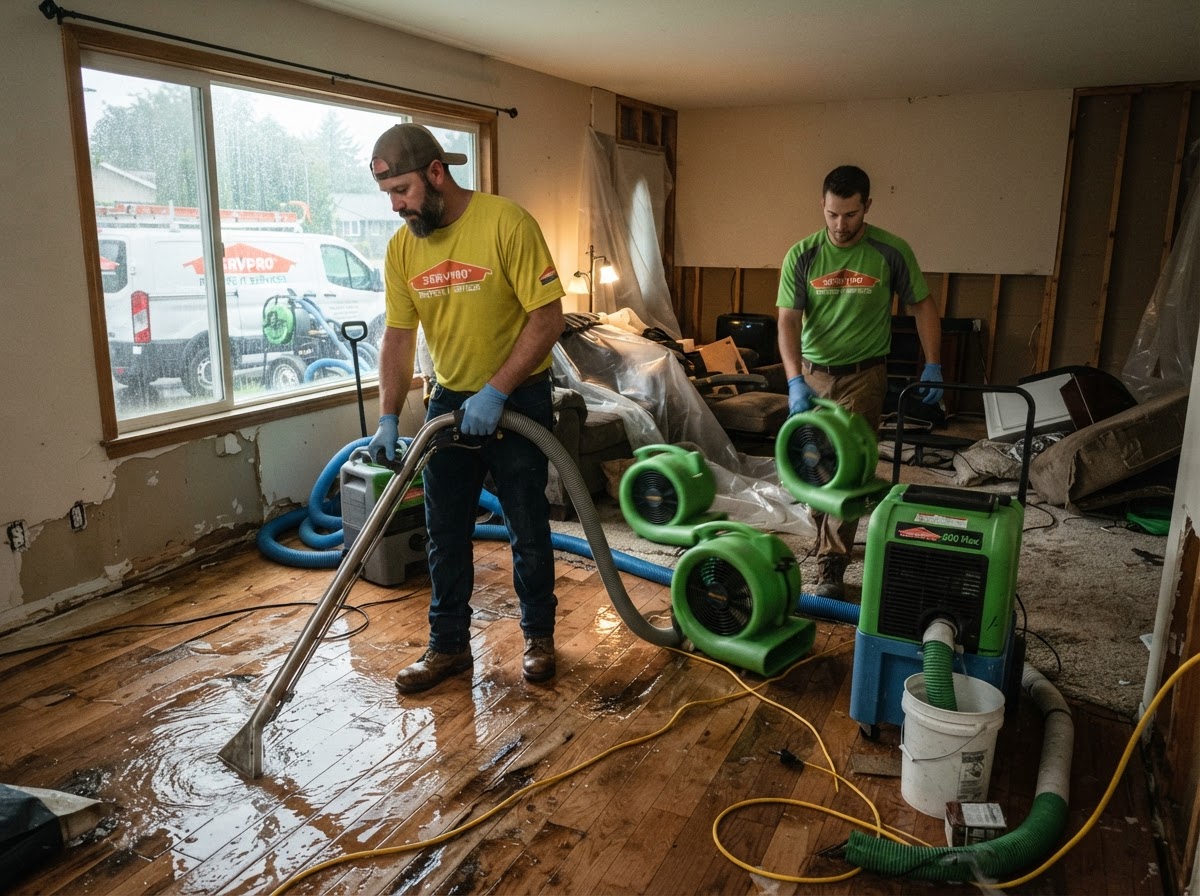
How Fast Does Mold Grow After Water Damage? A California Timeline
The 24-48-72 hour rule isn't marketing hype — it's based on how quickly mold colonizes wet building materials. Here's what actually happens, hour by hour.
If you've called a water damage restoration company, you've probably heard some version of "mold can start growing within 24-48 hours." It's a real timeline, not a sales tactic — but the specifics depend heavily on temperature, humidity, and what material got wet, all of which vary a lot across California's climate zones.
0-24 hours: the window that matters most
Immediately after a water event — a burst pipe, roof leak, or flooding — building materials absorb moisture but mold spores (which are present in virtually all indoor and outdoor air) haven't yet had time to germinate and colonize. This is the highest-leverage window: water extraction, air movement, and dehumidification started within the first 24 hours dramatically reduce the odds of mold ever becoming an issue at all.
In warmer regions like the Central Valley or Inland Empire, elevated ambient temperatures can accelerate this timeline slightly. In cooler coastal or North Coast climates, the process may take marginally longer, but the difference is measured in hours, not days — it is never safe to assume a slower timeline gives you extra time to address a leak.
24-48 hours: germination begins
This is the window where most sources place the onset of active mold germination on wet, organic materials — drywall paper, wood, carpet backing, and insulation. Germination doesn't mean visible growth yet; it means spores that landed on wet material have begun to establish and will produce visible colonies within the following days if moisture persists.
48-72 hours: visible growth and structural risk
By 72 hours of sustained wetness, visible mold colonies commonly appear on paper-faced drywall and other porous materials, and the water damage restoration industry generally treats materials wet beyond this window as needing to be assessed for mold, not just dried. This is also roughly the point at which wet drywall, particle board, and similar materials begin to lose structural integrity, independent of mold.
1-2 weeks: category escalation
Water that sits for a week or more, especially in enclosed spaces like wall cavities or crawl spaces with poor airflow, tends to produce more extensive colonization and can begin to affect a wider range of materials, including some that initially seemed unaffected. This is also the stage at which odor becomes a reliable indicator even without visible growth — a persistent musty smell after this point usually means active colonization somewhere in the affected area.
What this means for how fast you should act
- Extract standing water and begin air movement within hours, not days, whenever safely possible
- Don't wait for insurance approval to start mitigation — most policies expect (and cover) reasonable emergency mitigation to prevent further damage
- Treat any water event older than 48 hours as a mold risk requiring inspection, even if nothing is visible yet
- Document everything with photos and moisture readings from day one for insurance purposes
- If drying equipment can't fully dry a space within about 3-5 days, assume mold assessment is warranted before closing up walls or flooring
Common Questions About Water Damage
Does the 24-48 hour rule apply to all climates in California?
The underlying biology is the same statewide, but warmer, more humid conditions (like a closed-up Central Valley home in summer) can accelerate germination slightly, while cooler coastal conditions may extend it marginally. The safe assumption anywhere in California is to treat 24-48 hours as your outside window for full extraction and drying.
If I dry everything within 48 hours, am I guaranteed not to get mold?
Prompt drying dramatically reduces the risk but doesn't eliminate it entirely — hidden moisture in wall cavities, subfloor, or insulation can persist even when surfaces feel dry. A moisture-meter check a few days after a water event is the only way to confirm materials are genuinely dry throughout.
Can a professional tell how old water damage is?
Often, yes. Moisture patterns, material degradation, mold colony maturity, and in some cases lab analysis of spore development stage can help establish an approximate timeline, which is frequently relevant for insurance claims involving disputed dates of loss.
Need Help With water damage Right Now?
Our network of certified California mold specialists can inspect, test, and remediate — starting with a free estimate.
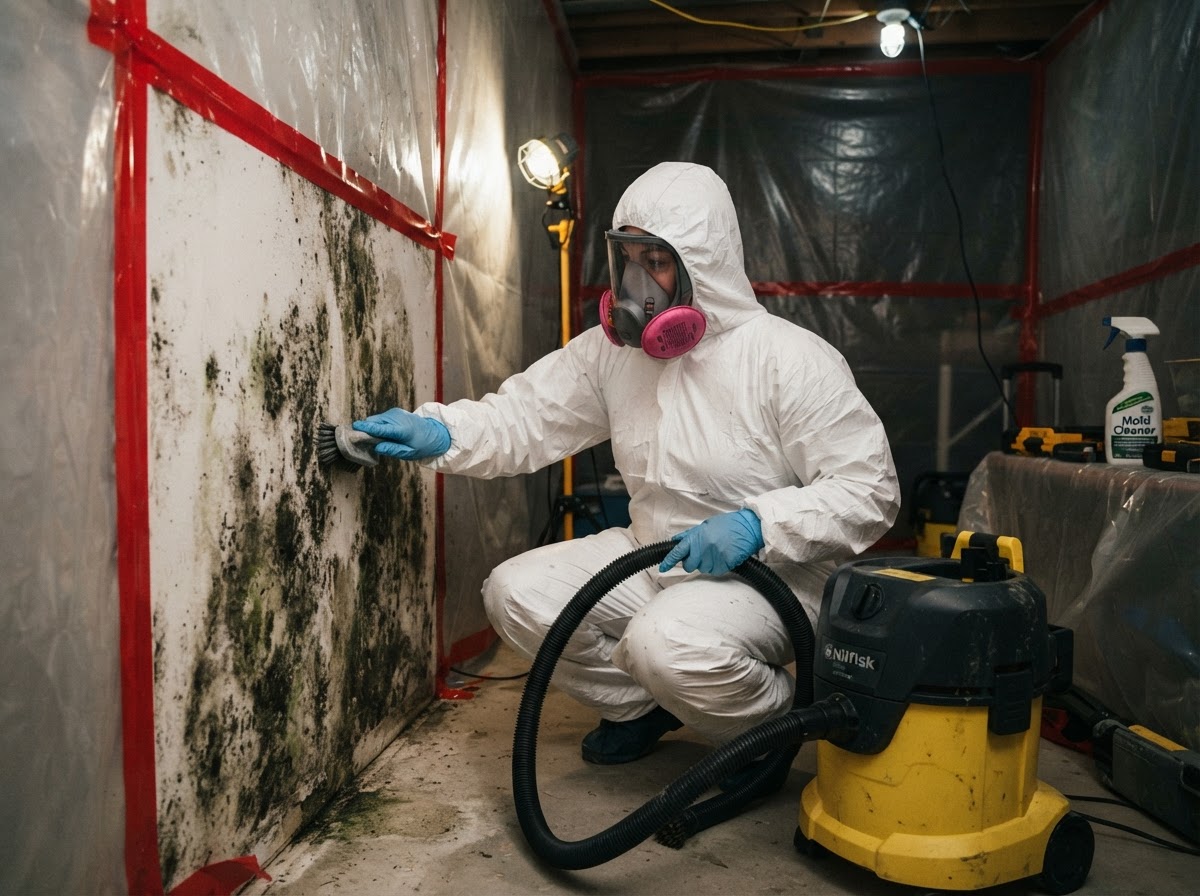

Mold Removal Services Near You
Get a Free Mold Inspection Estimate
Certified local specialists serving every California community.