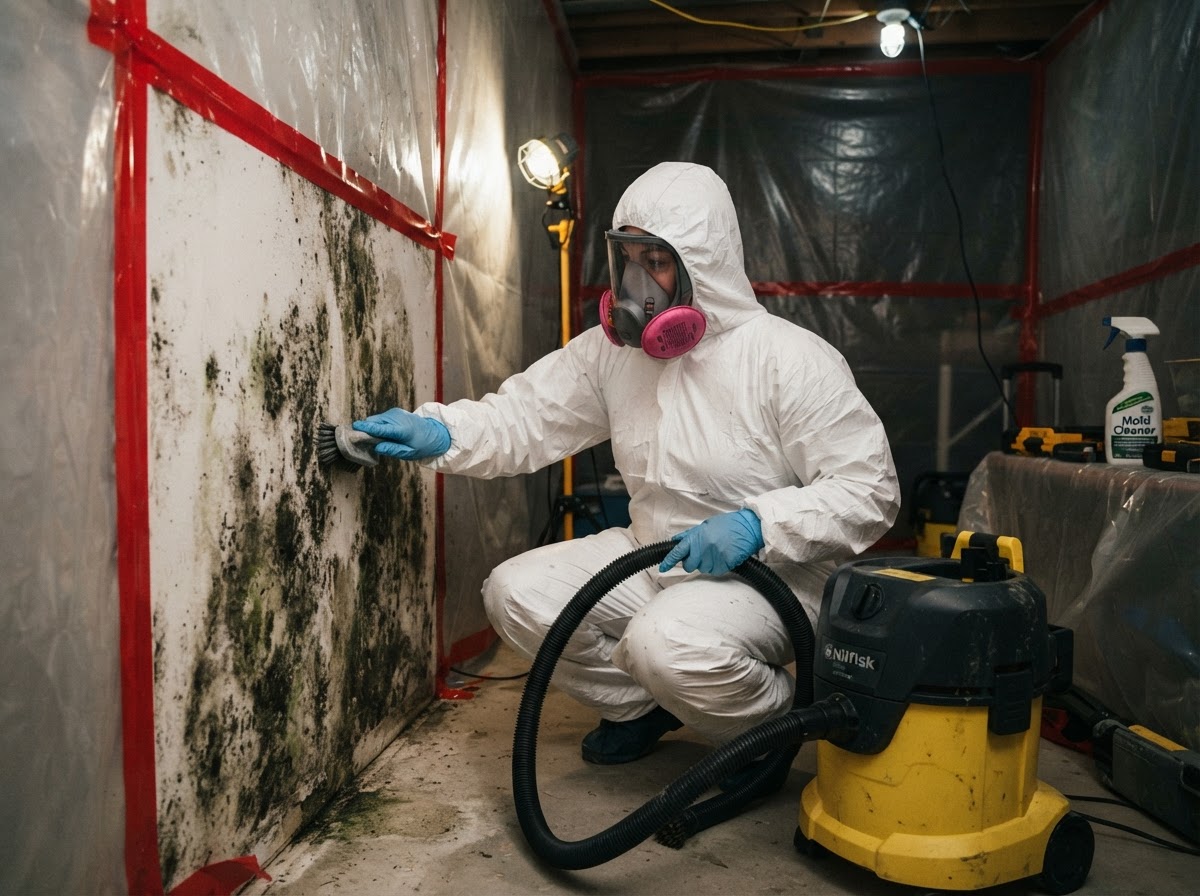
Mold and Real Estate: Disclosure Rules for California Home Sellers
California's disclosure laws require sellers to reveal known material facts about a property — here's how mold history fits into that obligation.
Mold history is one of the more common issues that surfaces during a California real estate transaction, whether from a buyer's inspection, a seller's own disclosure, or a dispute that emerges after closing. Here's how it typically plays out and what both sides should understand.
Seller disclosure obligations
California's Transfer Disclosure Statement (TDS) process generally requires sellers to disclose known material facts about a property's condition, and known past or current mold issues are widely treated as material facts that should be disclosed, even if remediated. "We fixed it and it's fine now" is not typically a substitute for disclosure — buyers are entitled to know the history and make their own assessment, including requesting documentation of the remediation.
Why documented remediation matters so much here
A seller who can produce a professional remediation report, moisture readings confirming the source was resolved, and post-remediation clearance testing is in a fundamentally stronger position than one who says "we cleaned it up ourselves" — both legally (demonstrating the issue was properly addressed) and practically (buyers and their agents take documented remediation far more seriously than verbal assurances).
What buyers should look for during inspection
- Musty odors in closets, under sinks, or in crawl spaces and attics during the walkthrough
- Water stains on ceilings, especially near bathrooms, kitchens, or roof penetrations like chimneys and skylights
- Recently repainted sections of wall or ceiling that don't match the surrounding area (sometimes used to mask staining)
- Any mention in seller disclosures of past water damage, leaks, or remediation, even if described as fully resolved
- Signs of recent, unexplained caulk or grout work in bathrooms
Getting a pre-listing or pre-offer mold inspection
Sellers with any known history of water intrusion benefit from a pre-listing inspection — it lets you address issues proactively and disclose with documentation, rather than having a buyer's inspector find something first and negotiate from a position of leverage. Buyers facing a competitive offer situation sometimes waive inspection contingencies, which makes an independent pre-offer inspection (where feasible) a valuable, though not always practical, safeguard.
After closing: what if mold is discovered later?
If a buyer discovers a significant mold problem after closing that wasn't disclosed and the seller reasonably should have known about it, this can potentially support a claim for non-disclosure — though the specifics of what a seller "knew or should have known" are fact-specific and generally require legal counsel to evaluate properly.
Common Questions About Residential Mold
Do sellers have to disclose mold that was fully remediated years ago?
Generally yes — most disclosure frameworks focus on known material facts about the property's history, not just its current condition, so past mold issues typically should be disclosed even after remediation.
How much does a pre-listing mold inspection typically cost?
A standard residential mold inspection generally runs a few hundred dollars, which is modest relative to the negotiating leverage it can preserve compared to a buyer's inspector finding an undisclosed issue first.
Can a home sale fall through over a mold finding?
Yes, particularly if the finding is significant and unaddressed, or if it comes as a surprise contradicting prior disclosures — this is exactly why proactive inspection and documentation benefit sellers as much as buyers.
Need Help With residential mold Right Now?
Our network of certified California mold specialists can inspect, test, and remediate — starting with a free estimate.

Mold Removal Services Near You
Get a Free Mold Inspection Estimate
Certified local specialists serving every California community.