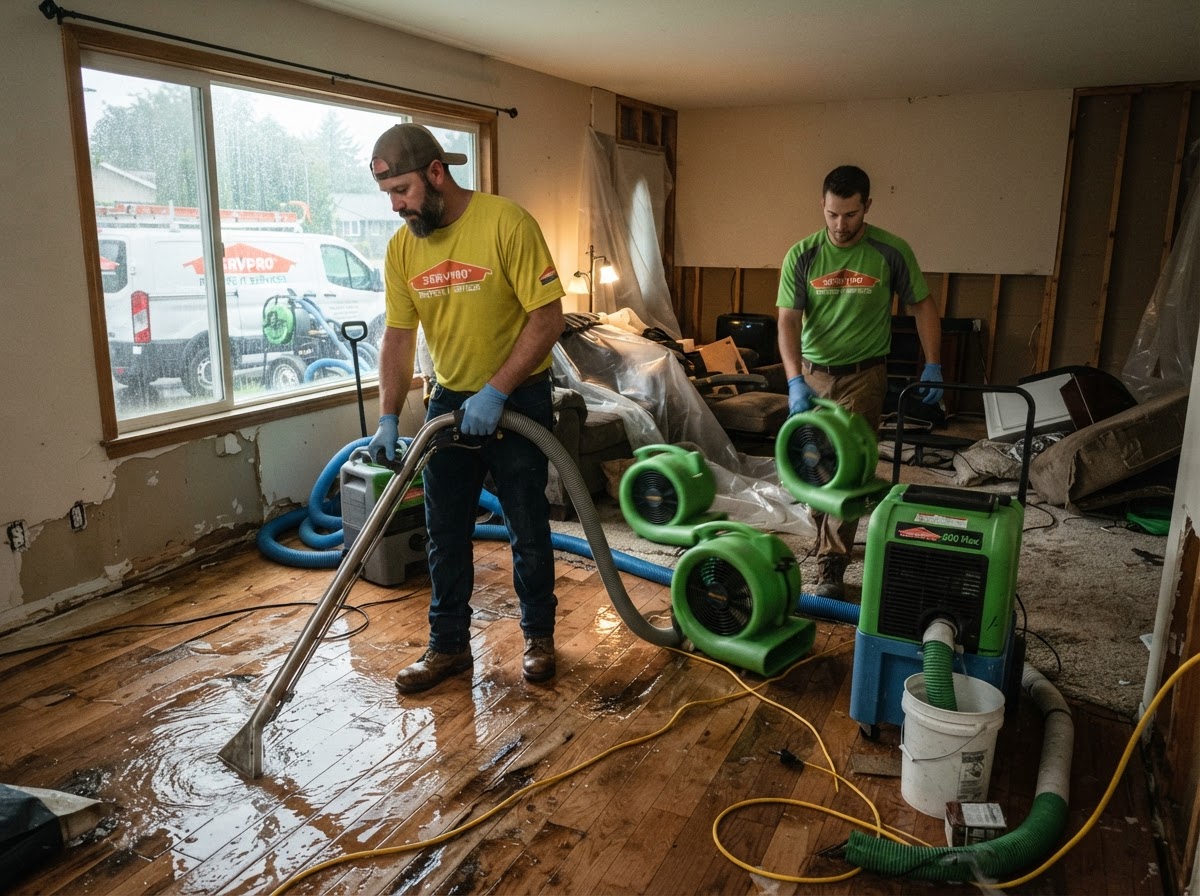
Emergency Mold Response: What to Do in the First 24 Hours
A practical, step-by-step checklist for the first hours after discovering active water intrusion or a sudden mold problem.
The first 24 hours after discovering active water intrusion or sudden mold growth are the highest-leverage window for limiting damage. Here's the practical sequence we recommend to every California property owner facing an active situation.
1. Stop the water source if safely possible
If it's a plumbing failure, shut off the water at the fixture or main shutoff valve. If it's a roof leak during a storm, don't attempt roof access in unsafe conditions — contain interior damage instead and address the roof once conditions allow.
2. Address electrical safety first
If water is near outlets, switches, or fixtures, or if water has reached an area with electrical panels, shut off power to the affected zone at the breaker before doing anything else. When in doubt, treat electrical risk as the priority over water extraction.
3. Remove standing water
A wet/dry shop vacuum handles most residential situations; larger volumes may need a sump pump or professional extraction. The goal is removing bulk water within hours, not days.
4. Move and protect belongings
Relocate furniture, rugs, and boxes away from the wet area, and elevate anything that can't be moved (using blocks or foil) to prevent prolonged contact with wet flooring.
5. Increase air movement immediately
Fans, open windows (if outdoor humidity is lower than indoor), and a dehumidifier if available all help begin the drying process before professional equipment arrives.
6. Document everything
Photos and video of the damage, the source if visible, and any affected belongings — timestamped, before you begin cleanup — are essential for insurance claims regardless of coverage outcome.
7. Avoid disturbing visible mold
If mold is already visible, resist the urge to scrub, dry-brush, or sand it before professional assessment — disturbing dry mold releases spores into the air and can spread contamination to previously unaffected areas.
8. Call for professional assessment
Even if you've handled extraction yourself, a professional moisture check within the first day or two confirms whether materials are drying properly or whether hidden moisture remains in wall cavities, subfloor, or insulation.
Who to keep away from the affected area
- Children and elderly household members, especially with any respiratory sensitivity
- Anyone with asthma, allergies, or a compromised immune system
- Pets, particularly if flooring or carpet is affected
Common Questions About Emergency Mold Removal
Should I call my insurance company before or after starting cleanup?
Most policies expect prompt mitigation to prevent further damage and generally cover reasonable emergency measures — document everything with photos first, then begin safe mitigation while notifying your insurer as soon as practical, ideally the same day.
Is it safe to stay in the house during an active water emergency?
In most cases yes, if the affected area is contained and away from main living spaces; category 3 ("black water" — sewage or contaminated flood water) situations warrant more caution and professional guidance on occupancy.
How quickly can emergency mold and water damage teams respond?
Response times vary by location and current demand, but emergency requests typically receive priority scheduling, with many providers aiming to begin triage the same day.
Need Help With emergency mold removal Right Now?
Our network of certified California mold specialists can inspect, test, and remediate — starting with a free estimate.

Mold Removal Services Near You
Get a Free Mold Inspection Estimate
Certified local specialists serving every California community.