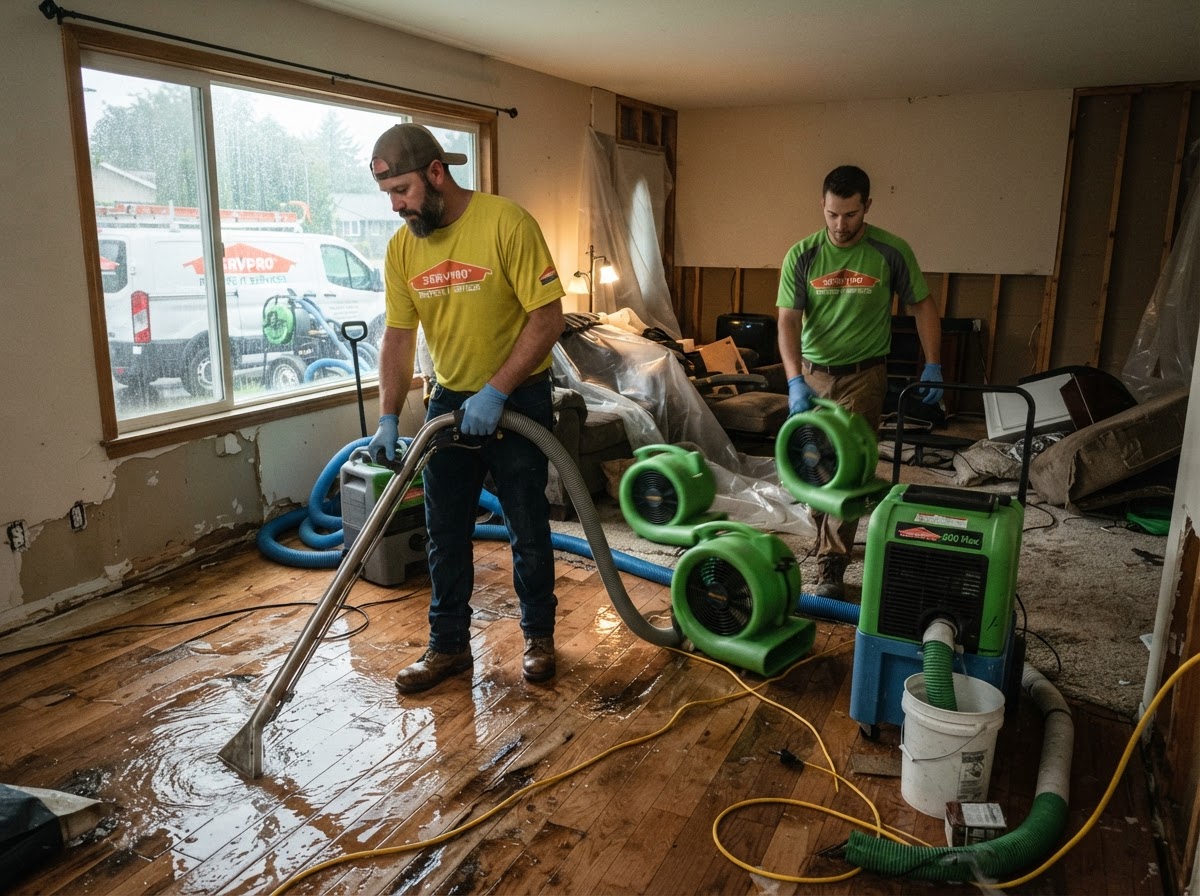
Atmospheric Rivers and California's Mold Risk Season
The intense winter storm systems that define California's wet season create a predictable annual spike in water intrusion and mold calls.
California's winter "atmospheric river" storms — long, narrow bands of concentrated moisture that can dump several inches of rain in a single event — have become a defining feature of the state's wet season, and they create a predictable seasonal spike in the water intrusion cases that eventually turn into mold calls.
Why these storms are different from typical rain
Atmospheric river events deliver sustained, high-volume rainfall over a compressed timeframe rather than the more gradual precipitation patterns homes and drainage systems are designed around. Roofing, gutters, grading, and foundation drainage that perform fine under normal conditions can be overwhelmed by the sheer volume and duration of an atmospheric river event, creating water intrusion points that wouldn't otherwise appear.
The predictable pattern we see every year
Water intrusion typically appears during or immediately after a major storm event, but mold complaints spike roughly 1-3 weeks later — the lag between the initial intrusion and visible/detectable mold growth. This means the property owners calling us in late January and February are often dealing with water that entered during a December or early January storm and went unnoticed or unaddressed.
Regions with the highest storm-driven risk
North Coast and Bay Area properties see the most frequent atmospheric river landfall impact given their geography, but Southern California coastal areas face particularly acute risk during El Niño years, when atmospheric river frequency and intensity both increase along the SoCal coast, catching homes and drainage systems designed around typically drier conditions off guard.
Pre-storm-season preparation checklist
- Clean and inspect gutters and downspouts before the first major storm, typically by late October or November
- Check roof flashing around chimneys, skylights, and vents for any visible gaps or deterioration
- Confirm exterior grading still slopes away from the foundation, especially if landscaping has changed
- Test sump pumps (if present) before the season starts, not during the first storm
- Clear storm drains and check that crawl space vents aren't blocked by debris
What to do immediately after a major storm
A post-storm walkthrough — checking attic, crawl space, and any previously vulnerable areas within a few days of a significant atmospheric river event — catches new water intrusion while it's still in the early, more manageable window before mold has time to establish.
Common Questions About California-Specific
Are atmospheric river storms becoming more frequent or intense in California?
Climate research generally points toward more variable and sometimes more intense precipitation patterns in California, though year-to-year variability remains significant — regardless of long-term trends, individual atmospheric river events have consistently been a major driver of water intrusion damage in recent years.
Should I get my roof inspected every year before winter?
For homes in higher storm-exposure areas or with roofs older than about 10-15 years, an annual pre-season roof inspection is a reasonable investment relative to the cost of storm-driven water damage.
Why does mold sometimes show up weeks after a storm rather than immediately?
Mold requires sustained moisture and some time to colonize visibly — water that enters during a storm and stays trapped in a wall cavity, attic, or crawl space can take one to several weeks to produce visible growth or a detectable odor, which is exactly why a post-storm check shouldn't wait for visible symptoms.
Need Help With california-specific Right Now?
Our network of certified California mold specialists can inspect, test, and remediate — starting with a free estimate.
Mold Removal Services Near You
Get a Free Mold Inspection Estimate
Certified local specialists serving every California community.